
Renewable Energy Industry Expertise
Optimize modern control system applications for a robust and reliable facility
Consistently achieve target metrics with cutting edge modern control systems.
Our Team offers the following capabilities and experience in the Power Generation industry:
- Control System Design, Integration, & Optimization
- SCADA integration between remote and base sites
- Cybersecurity, IT/OT/IIoT, process control network design and architecture, & virtualization, s95 enterprise integration
- UL-Certified Panel Design, Fabrication, & FAT
- Process Data Historians
- Process Hazard Analysis, SIL Calculations, Safety Requirements Specifications, and SIS Logic Solver Programming
- Industrial Digitalization and Industry 4.0 solutions
Our Team is experienced in a variety of projects
Battery Energy Storage Systems
Solar/Wind/Hydro
Backup Generators
Microgrids
Uninterruptable Power Supplies
Peak Shaving
Supplemental Site Power






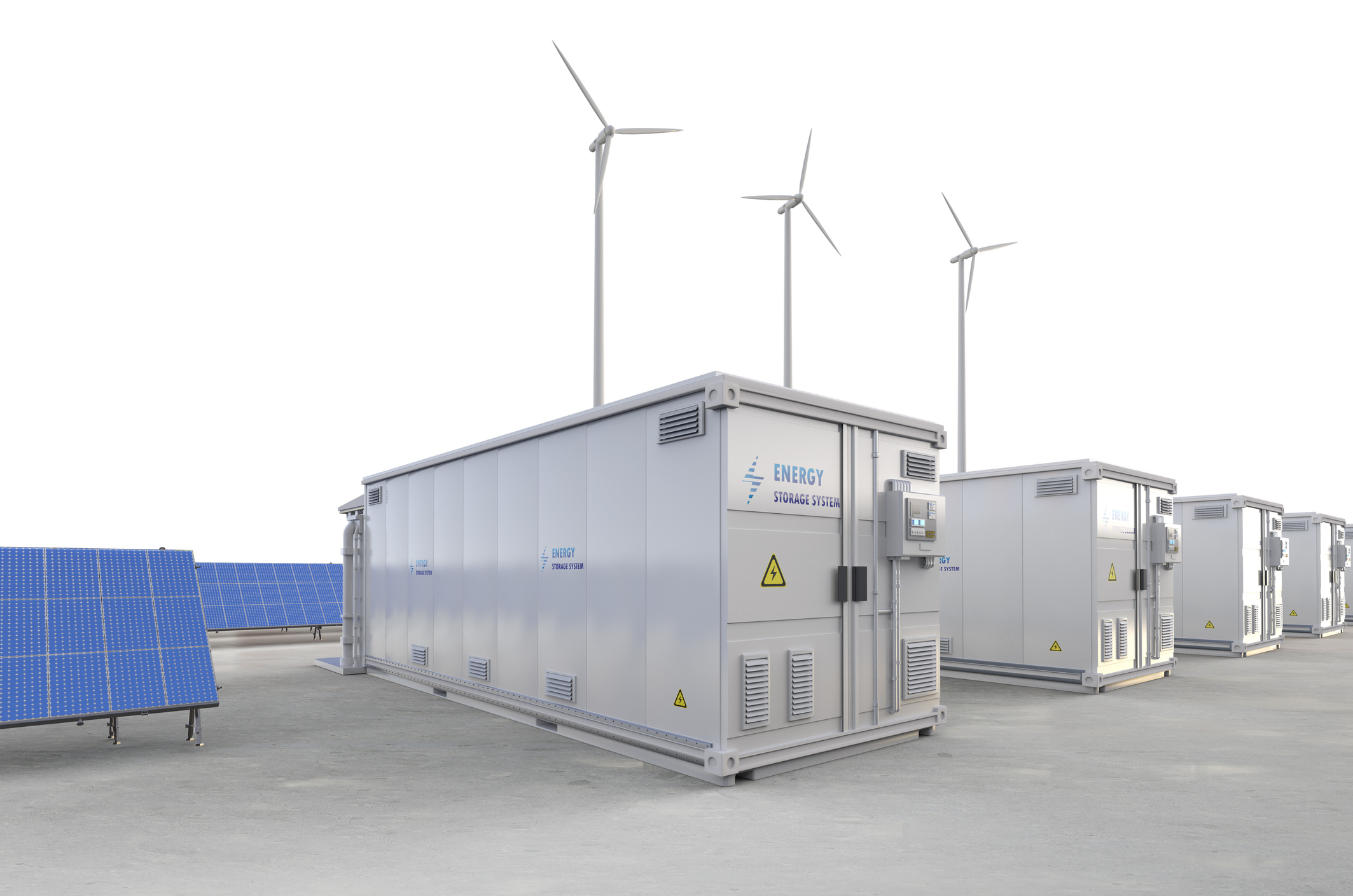
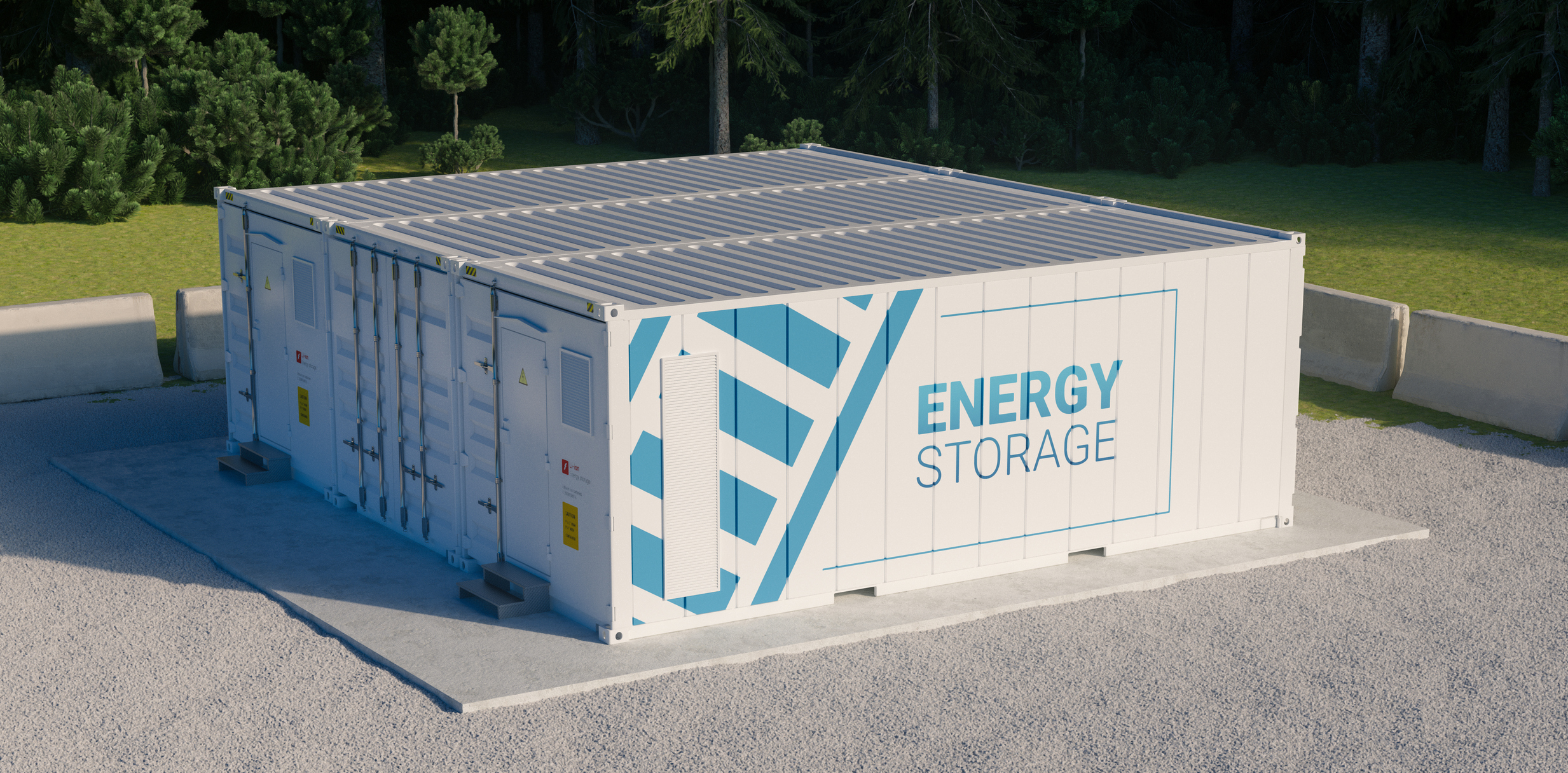
BESS (Battery Energy Storage Systems)
Our controls and integration experience includes supporting multiple Solar + BESS and microgrid installations for utility-scale renewable projects. These systems supported operational use cases such as baseload capacity and demand-response dispatch, where batteries discharge at full capacity during peak demand periods, as well as solar clipping capture, where excess solar generation is stored rather than curtailed. Our team has also supported microgrid applications, including solar smoothing to stabilize generation at the grid point of interconnect, electric vehicle charging support, and islanding capability that allows facilities to operate independently from the grid and safely resynchronize when grid power is restored.
In addition to renewable integration work, we have expanded capabilities in utility and substation controls, including programming and configuration of Schweitzer Engineering Laboratories (SEL) relays and associated protection and automation systems.
The Hargrove and Tormod Team provides integrated technical, operational, and safety support for Battery Energy Storage System (BESS) projects across the full asset lifecycle. Our multidisciplinary team combines controls engineering, operational readiness, procedure development, and construction safety expertise to help clients deploy and operate BESS facilities safely, reliably, and in alignment with industry standards.
By combining control systems integration, operational readiness, procedure development, and safety management, Hargrove and Tormod provide clients with a comprehensive approach to BESS deployment and operation. Our experience supporting utility-scale renewable and energy storage projects allows us to help owners, developers, and operators reduce risk, strengthen operational consistency, and bring complex energy storage assets online with confidence.
Project Spotlight
Solar Integration with BESS
An energy company wanted to supplement their traditional power generation during the peak hours of usage after sundown. Programming was developed to collect excess energy from existing solar fields via the installation of BESS (Battery Energy Storage System) on several sites. After safely collecting the excess energy and storing it in the BESS, it was transferred to the power grid at the specified safe rate of discharge. This involved virtualized FATs (Factory Acceptance Test) through simulation code, onsite SATs (Site Acceptance Test), remote commissioning of the Ignition SCADA system, and data collection through KEPServerEX at each site.
During the project lifecycle, the project involved control narratives development, PLC programming, SCADA programming (remote sites and central command center), KEPServerEX data collection, and custom equipment interfaces. Collaboration with third party vendors helped to create custom workarounds for equipment irregularities, monitor intake and output of energy to ensure rates were consistent with equipment specifications, and remotely monitor the installations while implementing any requested changes. These changes ranged from PLC control to SCADA control to data collection. These sites were implemented with automated scheduling algorithms that required minimal remote operator intervention. Once the project was complete, they were able to maintain a more consistent demand curve of their traditional power generation methods.





Subscribe to Our Newsletter
Stay up to date on the latest Hargrove News & Insights.
